How to Analyse a Commercial Real Estate Market
How to Analyse a Commercial Real Estate Market

Commercial real estate (CRE) is often seen as the playground of institutional investors and large corporations. But in India, that perception is changing fast. With the rise of REITs, flexible offices, and Tier 2 city development, individual investors and NRIs are starting to see CRE as a smart, income-generating asset class.
However, success in commercial real estate depends on one crucial skill — market analysis. Before you buy that office space, co-working unit, or retail shop, you need to understand how to read the market, not just the brochure.
Let’s break down how to analyse a commercial real estate market in India effectively.
Step 1: Start With Market Demand and Supply
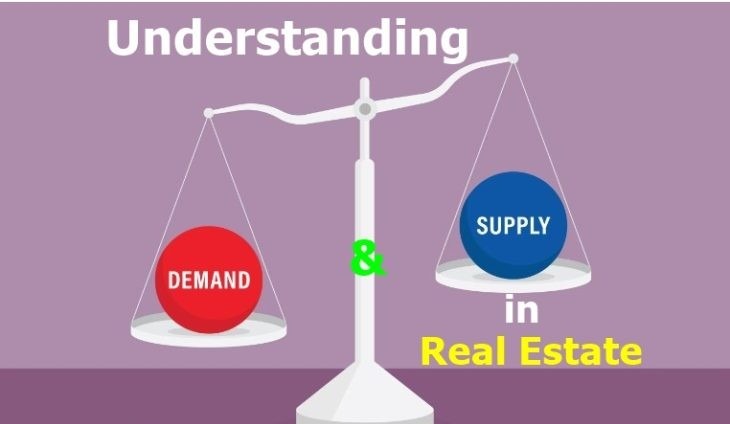
The first step is to check demand vs supply. A market with high absorption (leased or sold commercial units) and limited new supply is a good sign. It means companies are expanding, and rental demand is strong.(Meraqi Advisors)
In contrast, if you see an oversupply of offices and rising vacancy rates, it signals that rents may stagnate or fall. For instance, according to Mordor Intelligence, India’s commercial vacancy rate in Grade-A offices has averaged around 16–17% in 2024. Cities like Hyderabad and Bengaluru have better absorption ratios compared to others, thanks to IT and startup growth.
Always study three indicators:
Absorption rate: How much space is leased every quarter.
Vacancy rate: The percentage of unoccupied commercial units.
Pipeline supply: How much new space is expected in the next 12–24 months.
These metrics show whether the market is tightening (favorable for landlords) or softening (favorable for tenants). (Mordor Intelligence)
Step 2: Check Rental Yields and Growth Trends

In commercial real estate, rental yield is the most critical number. Unlike residential property, CRE returns are driven by consistent rental income.
In India, Grade-A commercial spaces typically deliver 7–9% annual rental yield, much higher than residential returns (2–3%). But this varies across cities.(Open Plot)
For example:
Hyderabad and Pune: 8–9%
Bengaluru and Gurugram: 7–8%
Mumbai: 6–7%
Also, look for rental growth trends. If rents have been increasing 4–5% annually in a market for the past few years, it indicates solid tenant demand and limited vacancy.
Sources like Cushman & Wakefield and Knight Frank release quarterly leasing data that can guide you here.
Step 3: Understand the Tenant Mix and Demand Drivers
Who rents space in the area? That’s a question many investors skip — but it’s vital.
For example, Hyderabad’s office demand is heavily driven by IT/ITeS, fintech, and health-tech companies. Pune’s growth is fueled by manufacturing and auto-tech. Gurugram thrives on corporate headquarters and co-working.
A healthy market has a diverse tenant base — IT, logistics, BFSI, and startups. If one industry dominates, any slowdown in that sector can hurt rental stability.
According to IMARC Group, IT/ITeS accounts for nearly 40% of India’s total office space absorption. But logistics, warehousing, and co-working are growing rapidly, especially post-2020.
Step 4: Evaluate Infrastructure and Connectivity
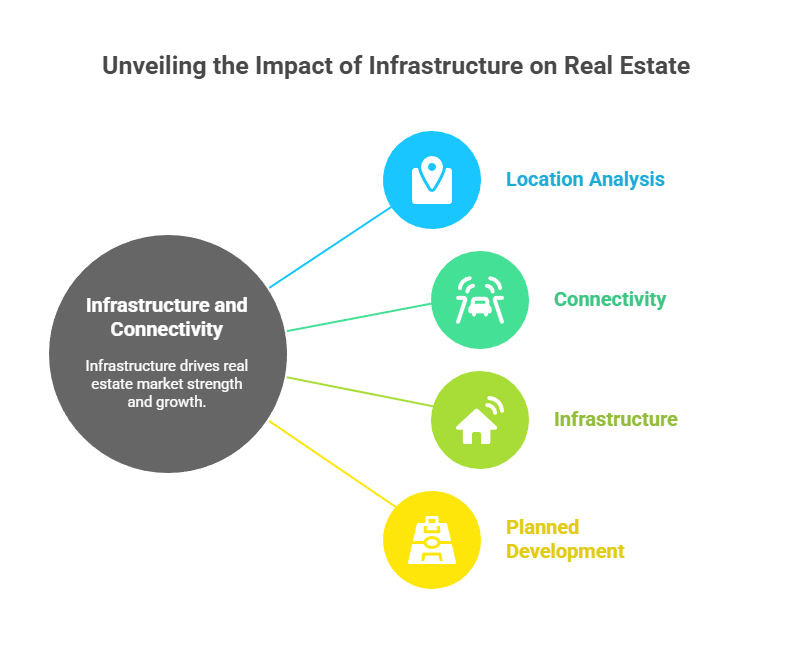
A city’s commercial real estate market is only as strong as its infrastructure. Areas near metro lines, expressways, and business districts tend to outperform in both appreciation and occupancy.
For example, Hyderabad’s Financial District and Kokapet saw rising rental demand due to proximity to ORR and new tech corridors. Bengaluru’s Outer Ring Road and Whitefield remain prime micro-markets for IT offices.
When analyzing any location, check:
Distance from airport and central business district
Metro and road connectivity
Power, water, and digital infrastructure
Planned development (metro extensions, industrial parks, SEZs)
Infrastructure improvement directly correlates with tenant preference and rent growth.
Step 5: Review Institutional Investment and REIT Activity
Institutional participation is a major trust signal. Markets that attract large funds or REIT investments are usually transparent, regulated, and high-quality.
For instance, Mindspace Business Parks REIT and Embassy REIT own major commercial assets in Hyderabad, Pune, Bengaluru, and Mumbai. Their entry has set benchmarks for rental quality, maintenance, and lease structure.
If you see a REIT or private equity fund investing in a specific sub-market, it means the fundamentals are strong.
Step 6: Factor in Regulation, Sustainability, and Tech
Modern commercial real estate is not just about buildings — it’s about compliance, sustainability, and innovation.
Markets with green-certified buildings (LEED, IGBC) and tech-enabled management systems (IoT, PropTech) attract better tenants and higher rents.
Regulatory factors like RERA, GST compliance, and ease of business also affect the stability of returns. Investors should prefer projects that follow transparent lease documentation and maintenance standards.
Step 7: Practical Steps to Analyse Any Market
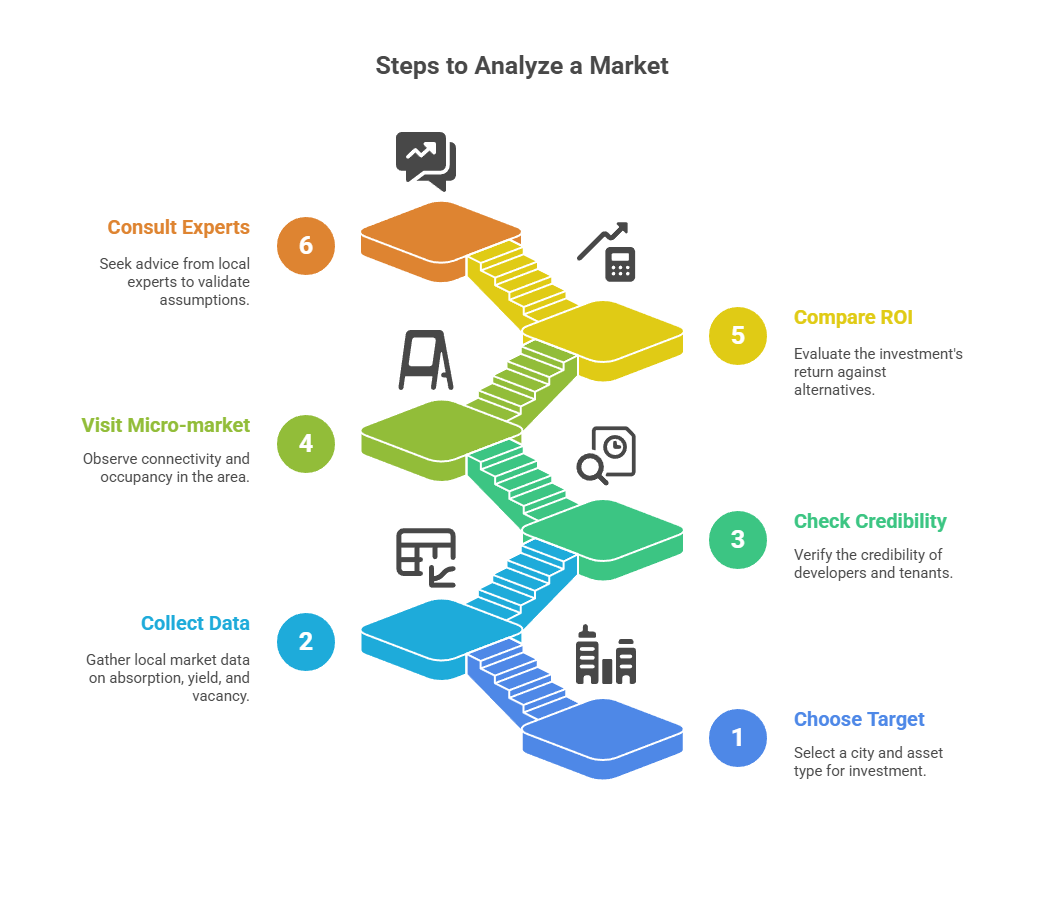
Here’s a quick framework you can use before making a CRE investment decision:
Pick your target city and asset type (office, retail, warehouse, co-working).
Collect local data — absorption, yield, vacancy, and upcoming supply.
Check developer and tenant credibility.
Visit the micro-market — observe connectivity and active occupancy.
Compare ROI with alternative investments (REITs, mutual funds, residential).
Consult local experts like Relai to validate assumptions.
This approach blends data with on-ground reality — something every smart investor should do.
Step 8: Key Considerations for NRIs
For NRIs, commercial real estate offers diversification and passive income in rupees. However, they must account for:
Taxation: Rental income and capital gains are taxable in India.
Repatriation rules: Governed by FEMA and RBI norms.
Property management: It’s best to hire professionals for lease management and tenant relations.
Many NRIs start with REIT investments as a low-entry route to learn the market before buying direct assets.
FAQ Section
Q1. What is a good rental yield for commercial property in India?
Typically 7–9% for Grade-A properties in metro cities, depending on location and tenant type.
Q2. Which cities are currently best for commercial investments?
Hyderabad, Pune, and Bengaluru are leading due to strong IT demand, infrastructure growth, and favorable state policies.
Q3. How often should investors review market data?
At least every six months. Commercial markets shift quickly based on leasing cycles and new supply.
Q4. Are REITs a safer alternative for small investors?
Yes. REITs offer exposure to large commercial assets with stable returns and liquidity through stock exchanges.
Q5. What red flags should investors watch for?
High vacancy rates, poor tenant diversification, unclear lease terms, and lack of infrastructure development.
Conclusion

Analysing a commercial real estate market isn’t about guesswork — it’s about reading the numbers, understanding the demand drivers, and evaluating risk with clarity.
For Indian investors and NRIs, commercial property can be a rewarding long-term asset — if chosen wisely. By combining data with local expertise, you can identify markets where rental yield, occupancy, and appreciation align.
Relai Real Estate helps investors make informed property decisions in cities like Hyderabad by connecting verified data with expert guidance.
Let’s Join Together to Bring Change to the World of Real Estate.
Thinking about your next home?
relai scores every project on data, not paid placements, and it's free for buyers.