The Rise of the “Silent Regret” Homebuyer
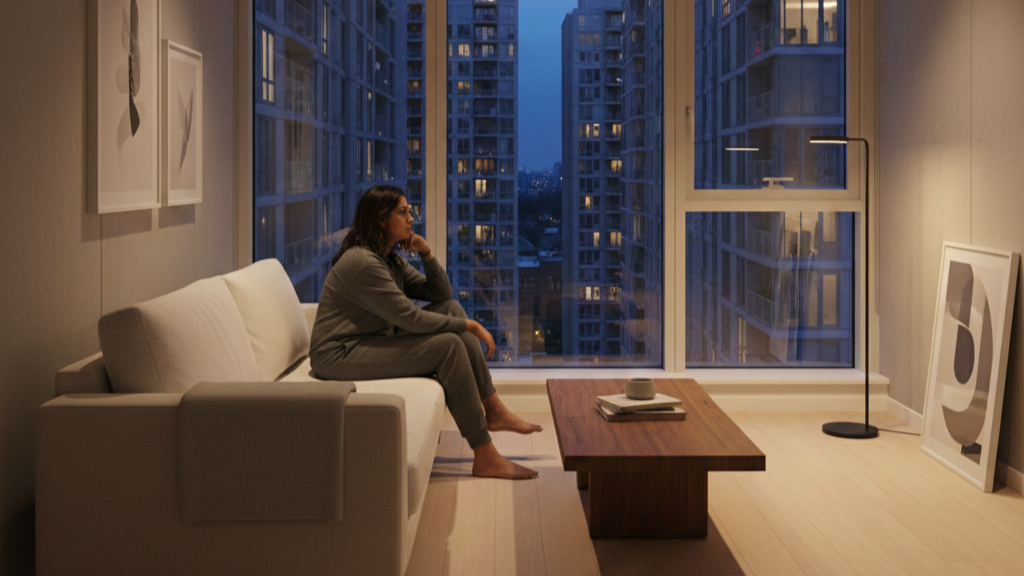
Most homebuyers don’t regret buying a home publicly.
There are no angry social media posts. No open complaints. No dramatic stories.
Instead, regret shows up quietly—in conversations avoided, compromises justified, and a constant feeling that something is slightly off. This is the rise of the silent regret homebuyer.
In cities like Hyderabad and Bengaluru, where choice is abundant and pressure is high, regret is no longer about bad intent or fraud. It is about decisions made under stress, optimism, and incomplete thinking.
This blog explores the regrets buyers rarely talk about, why they happen, and how to spot regret patterns before committing.
The Regrets Buyers Rarely Say Out Loud
Most buyers won’t say, “I made a mistake.”
What they say instead sounds like this:
“It’s fine, we’ll manage.”
“Every house has some compromise.”
“At least we own something now.”
These statements mask deeper discomfort.
Common unspoken regrets include:
Buying more space than needed and struggling with EMI stress
Choosing a project for prestige rather than daily comfort
Settling for poor ventilation, light, or layout
Underestimating commute fatigue and access issues
Paying for amenities that are rarely used
None of these feel serious enough individually to complain about. But together, they erode satisfaction over time.
Pressure Is the Real Enemy
Silent regret usually starts with pressure.
Pressure from:
• Rising prices and fear of missing out
• Family expectations and social comparison
• Limited “last few units” narratives
• Loan eligibility pushing budgets upward
Under pressure, buyers shift from decision-making to decision-closing.
Instead of asking, “Is this right for us?” the question becomes, “Will we lose this if we wait?”
That shift is costly.
When urgency overrides clarity, compromises get rationalised instead of evaluated. The regret doesn’t show up immediately—it surfaces months or years later when living reality replaces brochure imagination.
Compromises That Look Small but Grow Over Time
Many regrets begin as minor trade-offs.
A slightly smaller kitchen. A road-facing bedroom. Limited storage. A longer-than-expected walk to daily conveniences.
At the buying stage, these seem manageable.
But homes amplify habits. What you tolerate occasionally becomes what you live with daily.
Over time:
Noise becomes mental fatigue
Poor layout affects routines
Lack of light impacts mood
Inconvenient access drains energy
Buyers rarely regret price alone. They regret friction—small daily discomforts that compound.
Lifestyle Mismatches That Surface Later

One of the most common sources of silent regret is lifestyle mismatch.
Examples include:
Introverted families buying into high-density, social-heavy communities
Remote workers choosing homes optimised for office proximity
Aging parents moving into vertical living without accessibility planning
Young families underestimating the need for open, flexible spaces
At launch, lifestyle is imagined. After possession, lifestyle is experienced.
When the two don’t align, regret follows quietly. Not because the home is bad, but because it was wrong for that phase of life.
Why Regret Is Hard to Reverse
Unlike other purchases, homes are sticky decisions.
High transaction costs, emotional attachment, and resale friction make course correction difficult.
This traps buyers into “adjustment mode”:
• Changing furniture to fix layout issues
• Ignoring amenities that don’t fit
• Accepting longer commutes as normal
• Delaying resale due to market conditions
The longer this continues, the more regret becomes internalised rather than addressed.
How to Detect Regret Patterns Early
Silent regret is predictable. It leaves clues before the purchase.
Buyers should pause when they hear themselves saying:
• “We’ll adjust later.”
• “It’s only for a few years.”
• “Everyone is buying here.”
• “This is the best we can get at this price.”
These phrases signal compromise without conviction.
Better questions to ask early: • What daily discomfort am I accepting right now? • Will this layout still work in five years? • Am I buying for my routine or for reassurance? • If prices don’t rise, will I still be happy living here?
Homes chosen with clarity age better than homes chosen with urgency.
The Role of Structured Decision-Making
Silent regret thrives where decisions are emotional and unstructured.
Buyers who use clear frameworks—budget buffers, non-negotiable lists, lifestyle scoring—tend to report higher long-term satisfaction.
This doesn’t eliminate compromise. It ensures compromises are conscious.
Knowing what you are giving up is very different from discovering it later.
FAQ Section
Is buyer regret common in real estate?
Yes. Many buyers experience mild to moderate regret, especially when decisions are rushed or expectation-driven.
Does regret mean the property was a bad investment?
Not always. Financial performance and personal satisfaction are different outcomes.
Can regret be avoided completely?
Not entirely, but it can be reduced with structured decision-making and realistic lifestyle evaluation.
Should regret trigger immediate resale?
Not necessarily. First assess whether issues are structural or adjustment-related before making financial decisions.
Conclusion

The rise of the silent regret homebuyer reflects a more complex real estate market—one where choice is abundant but clarity is rare.
Most regret is not about wrong projects or bad developers. It is about decisions made without fully understanding daily life impact.
Homes reward honesty more than optimism. Buyers who slow down, question assumptions, and prioritise lived experience over launch excitement are far less likely to carry quiet dissatisfaction into their ownership journey.
Thinking about your next home?
relai scores every project on data, not paid placements, and it's free for buyers.