Impact of Regulatory and Environmental Issues on Hyderabad’s Real Estate Market
Impact of Regulatory and Environmental Issues on Hyderabad’s Real Estate Market
Introduction
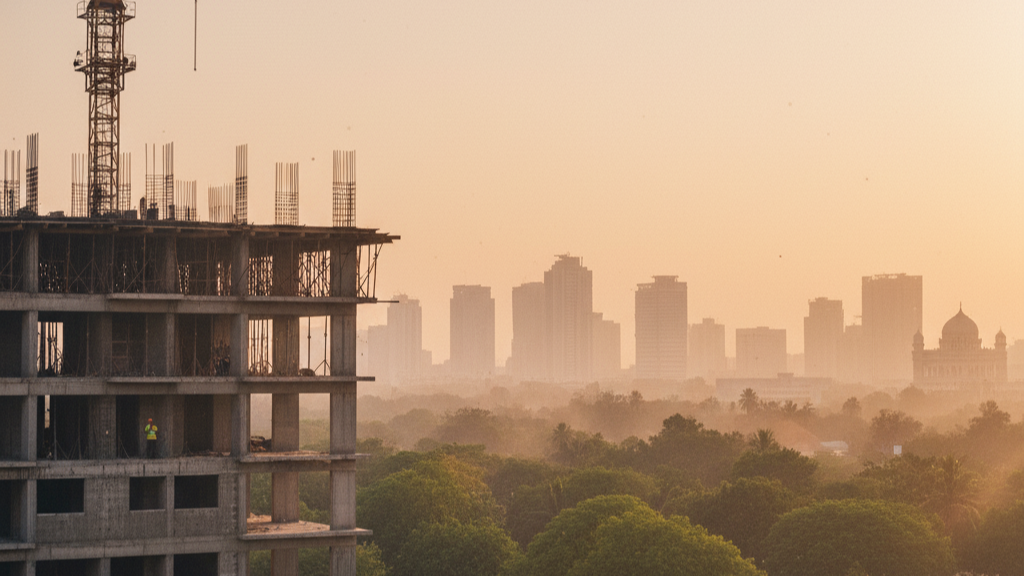
Hyderabad’s real estate sector has been one of India’s most consistent performers in recent years. Strong infrastructure growth, employment generation, and steady demand have positioned the city as a preferred investment destination. Yet, the market’s long-term health depends on how well it navigates regulatory oversight and environmental challenges.
Market regulations under the Telangana Real Estate Regulatory Authority (TGRERA) and measures like clearing encroachments on stormwater drains (nalas) are shaping how development happens across the city. These steps, though sometimes disruptive in the short term, are building a more transparent, sustainable, and resilient property market in the long run.
The Role of TGRERA in Building Trust
The establishment of the Telangana Real Estate Regulatory Authority (TGRERA) has fundamentally changed how developers, agents, and buyers interact. Formed under the Real Estate (Regulation and Development) Act, 2016, its goal is simple — to bring accountability and transparency to real estate transactions.
Before TGRERA, buyers often faced delayed possession, hidden charges, or incomplete projects. Today, developers must register every residential or commercial project before advertising or selling units. The registration requires details such as:
Approved project plans
Financial disclosures
Expected completion dates
Legal land ownership proof
This ensures that only compliant, verified projects reach the market. Buyers can now verify property details directly on the TGRERA portal — a shift that has restored buyer confidence and weeded out several non-compliant players.
Regulatory Compliance and Market Behavior
TGRERA’s enforcement has improved project delivery timelines and increased professionalism in the sector. According to ANAROCK Property Consultants, over 90% of Hyderabad’s new launches now fall under RERA-compliant frameworks.
Builders who once operated informally now align with documentation, escrow accounts, and regular reporting. This transparency has not only reduced buyer risk but also attracted institutional investors who prefer regulated environments.
However, strict compliance has also brought challenges. Smaller developers face higher operational costs and tighter deadlines. The need for clear land titles and environmental clearances adds complexity — but it’s a necessary evolution for a city aiming to maintain sustainable growth.
Environmental Challenges: The Stormwater Drain Issue
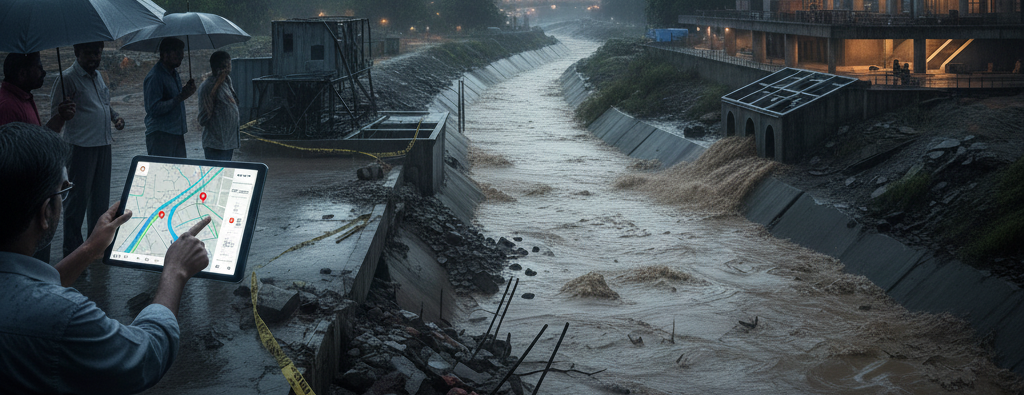
Alongside regulation, Hyderabad faces critical environmental infrastructure challenges, particularly around stormwater drains (nalas). Encroachments on these natural waterways have long contributed to urban flooding during heavy rainfall.
To mitigate this, the Greater Hyderabad Municipal Corporation (GHMC) and Hyderabad Metropolitan Development Authority (HMDA) have begun large-scale drives to identify and clear encroachments. While this has temporarily impacted a few layouts and projects, it’s an essential step toward preserving the city’s drainage ecosystem.
A report by the Telangana State Disaster Management Authority highlights that over 1,200 encroachments were identified across key nalas. Clearing these helps restore natural water flow and prevents future flooding — protecting both residents and property assets.
For developers, this has meant greater scrutiny of land-use approvals and environmental impact assessments (EIA) before starting projects. Buyers are also becoming more cautious, preferring properties with verified clearances and robust drainage planning.
Balancing Growth with Responsibility
The combined effect of RERA compliance and environmental enforcement is reshaping Hyderabad’s real estate fundamentals. Developers are now designing projects that account for:
Water conservation and drainage alignment
Soil stability and rainwater harvesting
Waste management and open space preservation
For buyers, these shifts mean access to safer, better-planned communities. While construction costs have risen slightly due to compliance requirements, the overall value proposition — long-term safety, legal assurance, and better livability — has improved.
The city’s western corridor, where most new launches occur, has already adopted these norms. Builders in Kokapet, Narsingi, and Tellapur increasingly advertise their environmental compliance as a mark of credibility, not just regulation.
Investor Confidence and Long-Term Stability
Regulation and environmental checks are often seen as hurdles, but they’re crucial for long-term stability. Markets without accountability tend to boom and collapse cyclically. Hyderabad, in contrast, has maintained steady appreciation precisely because of disciplined governance.
Institutional investors and NRI buyers prefer cities where property laws are predictable and transparent. The presence of TGRERA and active environmental management strengthens Hyderabad’s global investment appeal, ensuring steady inflows and sustainable growth.
Over time, these frameworks will likely evolve further — introducing digital approval systems, real-time monitoring, and stricter land audits. This will make compliance simpler for developers while maintaining strong buyer protection.
FAQ Section
1. What is the role of TGRERA in real estate?
TGRERA regulates all real estate projects in Telangana to ensure transparency, timely delivery, and buyer protection. Every project must be registered before being sold.
2. How do environmental issues impact property development?
Encroachments on stormwater drains and improper land use can lead to flooding and legal complications. Clearing such areas ensures safer and compliant construction.
3. Are all projects in Hyderabad RERA-approved?
Most new projects are. Buyers should always verify a project’s registration number on the TGRERA website before investing.
4. How do these regulations affect property prices?
While compliance may slightly increase development costs, it improves long-term value, reduces risk, and enhances buyer confidence.
5. What should buyers check before purchasing property?
Confirm RERA registration, environmental clearance, and approved layout plans. Verified platforms like Relai Real Estate can help simplify this process.
Conclusion

Hyderabad’s real estate is entering a phase defined by accountability and ecological responsibility. Regulations from TGRERA and actions like clearing stormwater encroachments are not roadblocks — they are safeguards ensuring that the city’s growth remains sustainable and transparent.
As developers and buyers adapt to these evolving frameworks, Hyderabad is setting a benchmark for urban real estate governance in India — one where growth, compliance, and environment can coexist.
Let’s Join Together to Bring Change to the World of Real Estate.
Thinking about your next home?
relai scores every project on data, not paid placements, and it's free for buyers.