Top 5 Areas in Hyderabad with the Most Polluted Water in 2026
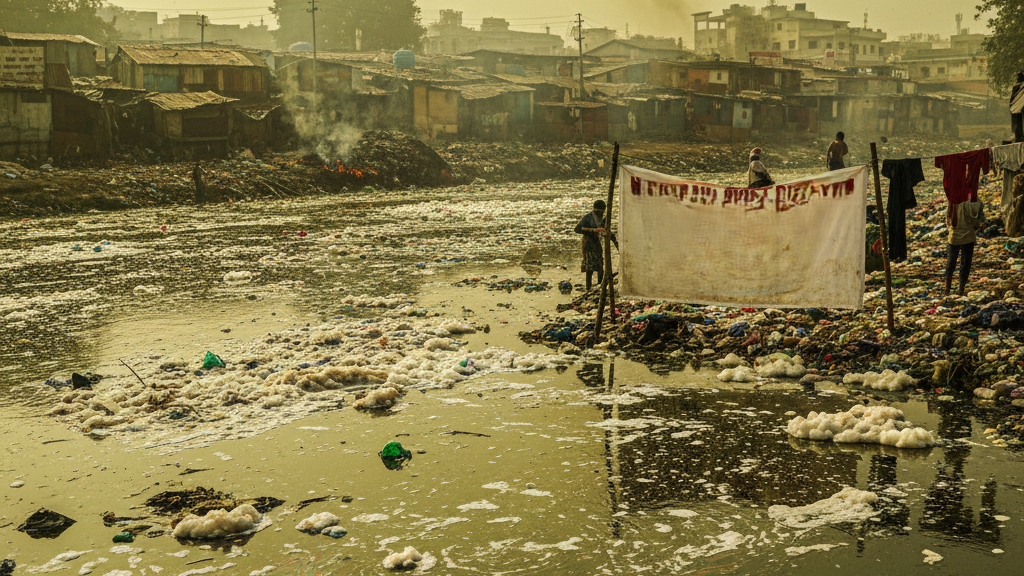
Clean water is a basic necessity, yet in many parts of Hyderabad, residents face serious water quality issues — both in drinking water and local water bodies. From contaminated pipeline supply to polluted lakes and groundwater, water pollution has become a pressing concern for public health and long-term livability.
This blog explains what polluted water means, its health impacts, root causes, precautions for homebuyers, and actionable steps for individuals and authorities.
What Is “Polluted Water”?
Water pollution refers to the presence of harmful contaminants — biological, chemical, or physical — that make water unsafe for human use. Key indicators include pathogens (bacteria, viruses), high biochemical oxygen demand (BOD), and chemical toxins from sewage, industrial discharge, or agricultural runoff.
In Hyderabad, sources of pollution include untreated sewage mixing with water supply, decaying water bodies with high bacterial content, and groundwater contamination near polluted lakes. The Times of India
Polluted water is not just inconvenient — it’s a health hazard.
Problems Caused by Polluted Water
When communities are exposed to contaminated water, the consequences are far-reaching:
Health Risks
Waterborne diseases like diarrhoea, cholera, dysentery, typhoid
Skin infections, gastrointestinal issues, and severe dehydration
Long-term exposure can weaken immunity, especially in children and the elderly
Environmental Impact
Fish kills and loss of aquatic biodiversity in lakes
Wetlands and reservoirs losing ecological function
Mosquito breeding and spread of vector-borne diseases
Quality of Life
Foul smell and discolored water supply
Higher medical expenses and reduced outdoor activity
Devaluation of properties close to polluted sites
Protecting water quality is therefore as important as choosing the right location and price for a home.
Top 5 Areas with Most Polluted Water
1. Old City (Sultan Shahi, Yakutpura, Mallepally)
Residents in Old City localities have repeatedly reported black, contaminated water from taps, often mixed with sewage. Problems have persisted for months at a time, with foul smells and unsafe drinking conditions. Complaints to the Hyderabad Metropolitan Water Supply and Sewerage Board (HMWSSB) have frequently gone unresolved. Telangana Tribune+1
Root Causes:
Overflowing sewage mixing with drinking water lines
Outdated or poorly maintained pipelines
Lack of integrated drainage systems
These areas are among the worst in the city when it comes to tap water quality, making water treatment before use a daily necessity.
2. Madhapur / Sunnam Cheruvu Catchment
In parts of the tech corridor around Madhapur, groundwater near polluted lakes and drains has been found contaminated. Illegal borewells around Sunnam Cheruvu have been feeding unsafe groundwater to hostels and paying guest accommodations. This contaminated water enters the local water supply, posing serious health risks to residents. The Times of India
Root Causes:
Illegal borewells dumping contaminated water
Untreated lake water infiltrating groundwater
Rapid urban build-out without adequate sanitation infrastructure
For residents depending on local groundwater, this is a severe risk that needs strict enforcement and monitoring.
3. Polluted Lakes (Asanikunta & Others)
Some lakes around Hyderabad have reached critical levels of pollution. Asanikunta Lake has been described as “dead,” with zero dissolved oxygen detected over several months — a clear sign of extreme contamination. The New Indian Express
Other lakes — such as Hussainsagar, Asani Kunta, Pedda Cheruvu, and Hasmathpet — consistently show high bacterial load (coliforms) and toxic chemicals, making them unsafe for recreation or water reuse. The Times of India
Root Causes:
Untreated sewage inflow
Industrial and urban runoff
Loss of natural inflow and stagnation
Polluted lakes also affect surrounding groundwater quality, increasing the risk for areas dependent on borewells.
4. Ramakrishnapuram Lake Area (Neredmet)
Water pollution isn’t limited to old city and central zones. Lakes like Ramakrishnapuram Lake in Neredmet are facing significant pollution issues, damaging aquatic life and reducing water quality. Wikipedia
Polluted lakes in residential areas often lead to contaminated surface water and possible seepage into shallow aquifers, which impacts groundwater quality used for domestic purposes.
Root Causes:
Urban runoff
Waste dumping into lakes
Insufficient lake protection measures
5. General Old City and Surrounding Zones
Beyond specific localities, older parts of Hyderabad such as Falaknuma, Moghalpura, Chandrayangutta, Mehdipatnam, Nampally, Tolichowki, and Shaikpet have all reported concerns about filthy tap water mixing with sewage due to inadequate drainage networks and old infrastructure. The Hans India
These areas are historic and dense, making pipeline replacement and sanitation upgrades challenging. Without significant infrastructure investment, water quality remains erratic and risky.
Root Causes of Water Pollution in Hyderabad
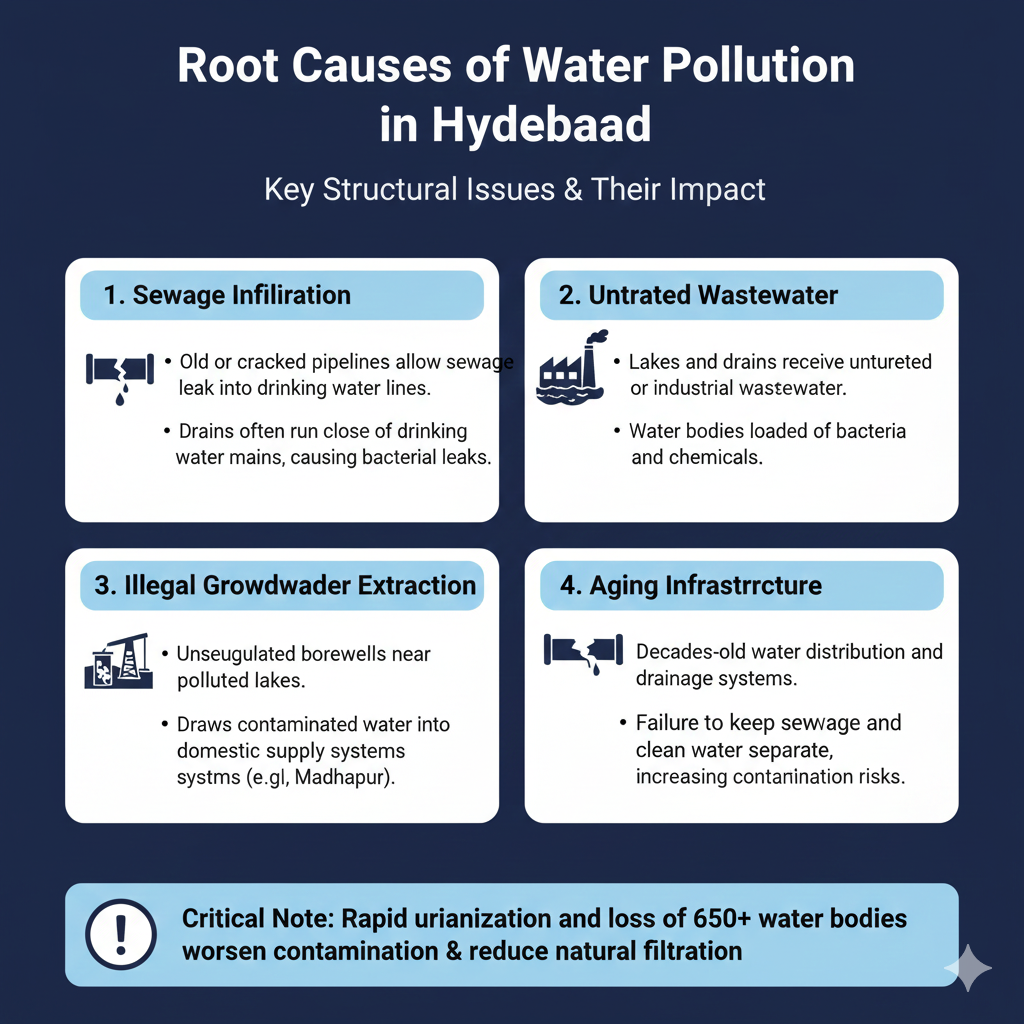
Pollution in Hyderabad’s water systems stems from several structural issues:
Sewage Infiltration:
Old or cracked pipelines allow sewage to leak into drinking water lines, especially where drains run close to drinking water mains.
Untreated Wastewater:
Lakes and drains often receive untreated domestic or industrial wastewater, loading them with bacteria and chemicals. The Times of India
Illegal Groundwater Extraction:
Unregulated borewells near polluted lakes can draw contaminated water into domestic supply systems, as seen in Madhapur. The Times of India
Aging Infrastructure:
Decades-old water distribution and drainage systems fail to keep sewage and clean water separate, worsening contamination risks.
Precautions for Buyers in High Water Pollution Areas
If you’re considering buying in any of these areas, take these precautions:
Water Quality Testing:
Before buying, test borewell and municipal supply water for microbial and chemical contamination.
In-Home Filtration:
Install RO + UV filtration systems for drinking water and separate filters for bathing water if needed.
Check Infrastructure Age:
Older buildings may have outdated pipelines, increasing the chance of contamination. Newer developments often have better plumbing standards.
Understand Source & Treatment:
Ask developers or authorities about water sources (borewell vs municipal) and treatment systems in place.
Avoid Direct Use Without Treatment:
Never assume municipal water is safe — treat it before use, especially in zones with known contamination.
Steps People and Authorities Can Take to Reduce Water Pollution
1. Infrastructure Upgrades
Replacing aging pipes and isolating sewage and drinking lines can drastically reduce cross-contamination. Authorities need to expedite these upgrades.
2. Sewage Treatment Expansion
Building and maintaining sewage treatment plants (STPs) to ensure wastewater is treated before discharge reduces the burden on lakes and groundwater.
3. Strict Regulation of Borewells
Cracking down on illegal borewells around polluted lakes and drains — as flagged in the Madhapur case — prevents contaminated groundwater being diverted into domestic systems. The Times of India
4. Pollution Control Enforcement
Enforcing penalties for untreated sewage discharge and industrial effluent release can protect water bodies and downstream users.
5. Community Action and Awareness
Residents can monitor water quality through local associations, report issues promptly, and support clean-up drives and lake rejuvenation efforts.
FAQ Section
Is Hyderabad’s water unsafe to drink?
Not everywhere — but certain localities demonstrate frequent contamination due to sewage mixing, aging infrastructure, or polluted lakes feeding groundwater.
Can treatment systems make polluted water safe?
Yes — RO + UV filters significantly reduce microbial and chemical risks from contaminated water.
Is groundwater more polluted than municipal supply?
Often yes in zones near polluted lakes or drains — because contaminated surface waters can seep into aquifers.
Conclusion

Water pollution in Hyderabad is a serious but addressable challenge. Old City zones like Sultan Shahi and Mallepally, parts of Madhapur around Sunnam Cheruvu, and several polluted lakes (like Asanikunta) represent the areas with the most polluted water — both in lakes and tap supply.
Before buying in these zones, it’s essential to test water quality and factor in treatment costs or risks. Long-term solutions require both community vigilance and strong civic action — upgrading infrastructure, enforcing pollution controls, and rehabilitating water bodies.
At Relai – For right home, we help buyers understand not only prices and locations but also environmental realities that affect long-term comfort and health.
Let’s Join Together to Bring Change to the World of Real Estate.
Thinking about your next home?
relai scores every project on data, not paid placements, and it's free for buyers.